
Shading of Solar Panels
How a Tiny Amount of Shade Can Make a Big Difference to Your Solar Output
Solar panels are incredibly efficient, but they do have one weakness – shade.
Many people assume that a small shadow won’t make much difference to the performance of a solar panel. In reality, even a tiny amount of shading can have a surprisingly large impact on energy generation.
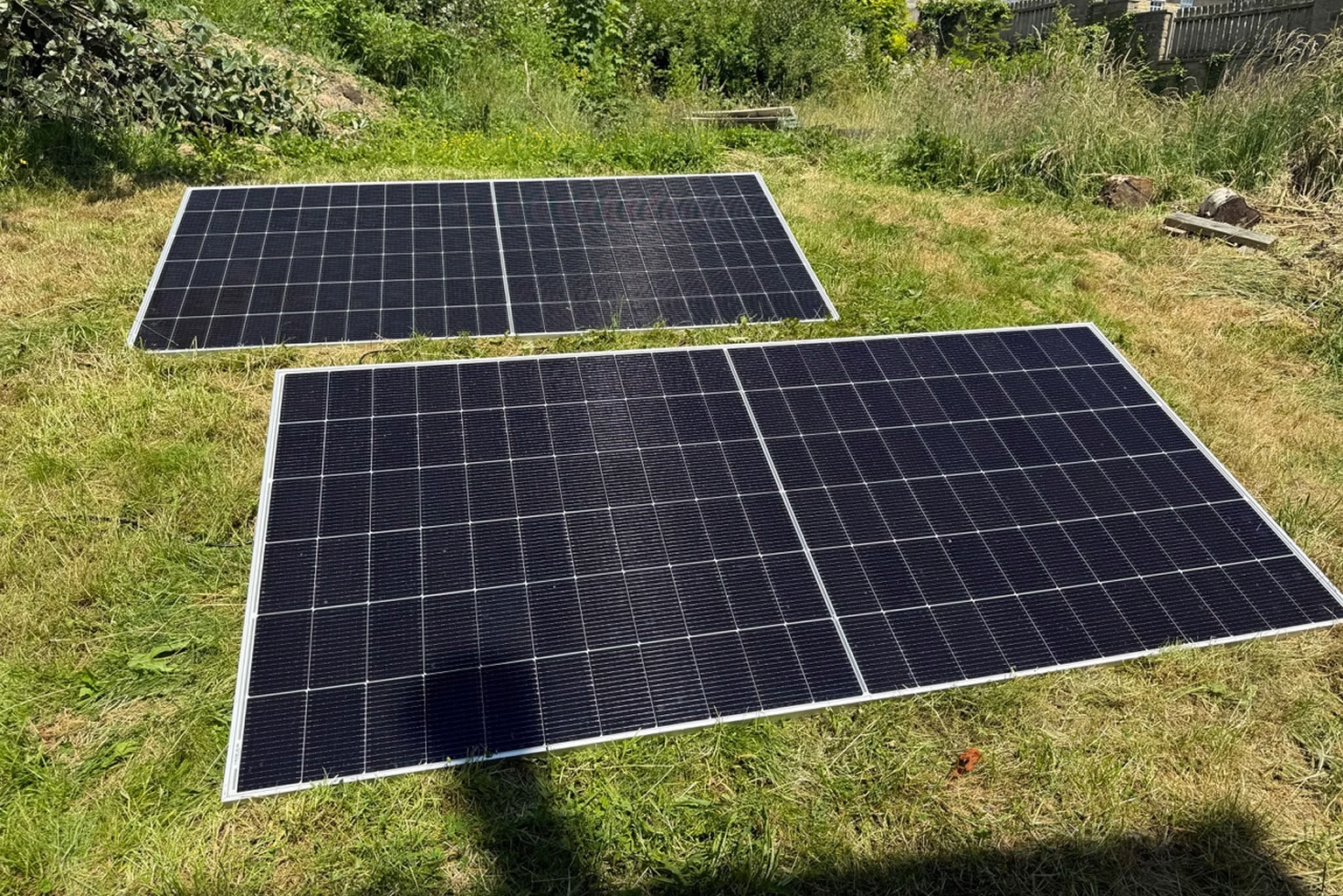
In the example below, you can see a small amount of shade affecting the lower solar panel. While the shadow only covers a small section of the panel, the effect on power generation is significant.
Real World Example
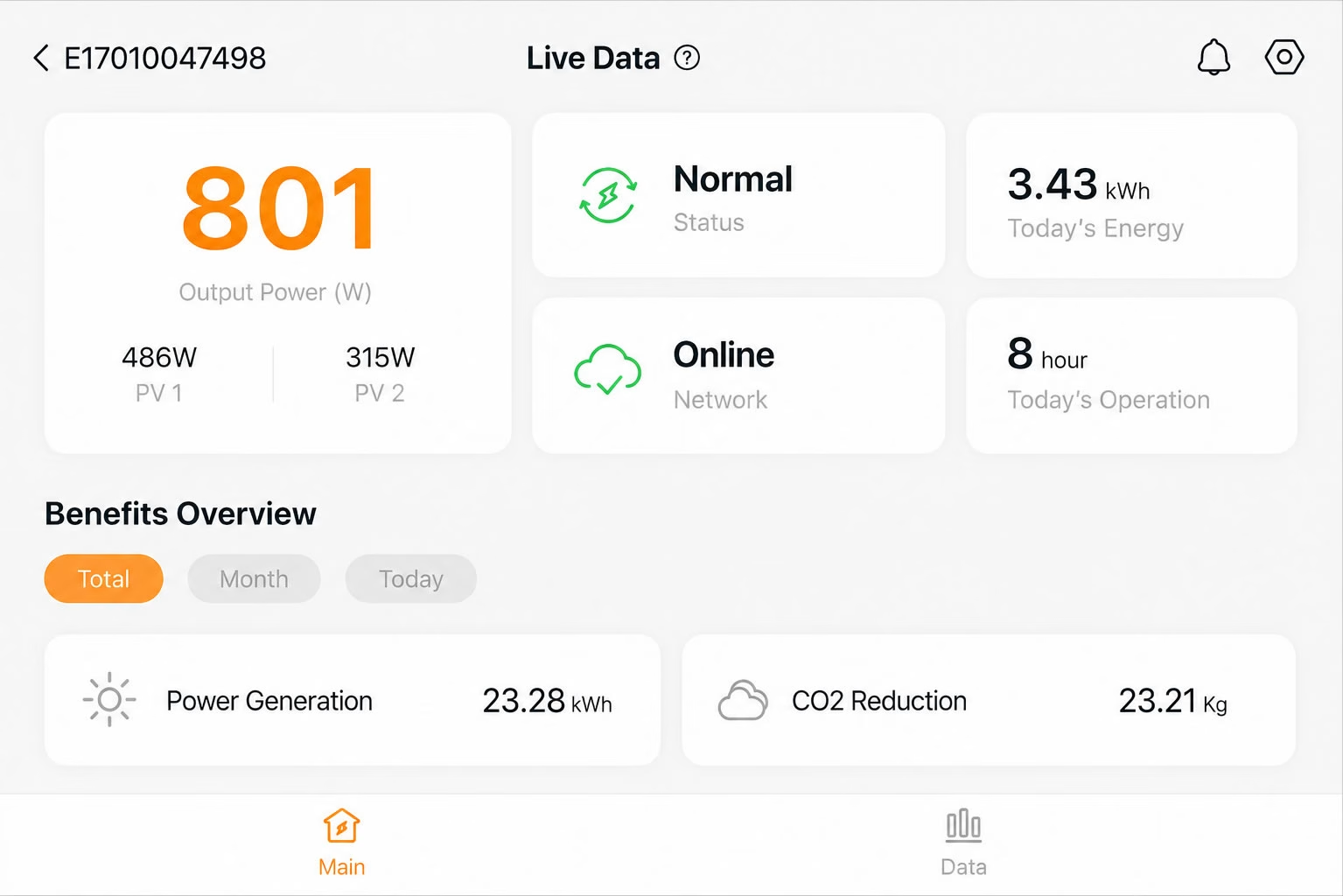
At the time this photograph was taken, the system was producing a combined output of 801 watts.
Looking more closely at the monitoring data:
- Panel 1: 486W
- Panel 2: 315W
The shaded panel is producing almost 35% less power than the unshaded panel, despite only a small section being affected.
This demonstrates just how sensitive solar panels can be to shading and why panel positioning is so important when planning any solar installation.
Why Does This Happen?
Solar panels are made up of many interconnected cells. When part of a panel is shaded, the affected cells can restrict the performance of other cells within the same panel.
The result is a reduction in overall output that is often far greater than the size of the shadow would suggest.
Why Is The Total Output Only 800W?
This particular system is connected to an inverter with a maximum output limit of approximately 800W.
Although the panels are capable of generating more power under ideal conditions, the inverter caps the total output at around this level. As one panel’s output drops due to shading, the other panel effectively takes up more of the available capacity.
Without the shade, both panels would likely be generating significantly higher outputs.
Lessons Learned
When installing solar panels, it is important to consider:
- Trees and shrubs that may grow over time
- Nearby buildings and structures
- Fences, walls and garden features
- Seasonal changes in the sun’s position
- Early morning and late afternoon shadows
Even minor shading can have a noticeable effect on system performance and reduce the amount of energy your panels generate throughout the day.
Final Thoughts
This example shows that when it comes to solar panels, every ray of sunshine counts.
A small shadow may not look like much, but it can significantly reduce the output of a panel and impact the overall efficiency of your system. Careful positioning and regular maintenance to prevent shading can help ensure you get the maximum return from your solar investment.